


Hey there, ready to dive into the wild world of cryptocurrency? You've probably heard the buzz, the hype, and maybe even a few horror stories. One question keeps popping up: Is cryptocurrency safe? Let’s get real about the risks, rewards, and how you can navigate this digital frontier without losing your shirt.
Understanding the Crypto Landscape
Before we jump into safety, let's quickly recap what cryptocurrency is all about. Think of it as digital money that's decentralized, meaning it's not controlled by any bank or government. Bitcoin, Ethereum, Ripple – these are all types of cryptocurrencies.
What Makes Crypto Unique?
- Decentralization: No single entity controls the currency.
- Cryptography: Securely encrypted transactions.
- Transparency: Most transactions are recorded on a public ledger called a blockchain.
Why Should You Care?
Cryptocurrencies offer potential for high returns, faster and cheaper international transactions, and a peek into the future of finance. But with great potential comes great responsibility (and risk!).
The Million-Dollar Question: Is Cryptocurrency Safe?
Okay, let’s cut to the chase. Is cryptocurrency safe? The short answer is: it’s complicated. Cryptocurrency isn't inherently unsafe, but it's not without risks. Think of it like driving a car. Cars aren’t inherently dangerous, but without knowing the rules of the road and taking precautions, you're asking for trouble.
The Upsides: Security Features
- Blockchain Technology: The blockchain, which underpins most cryptocurrencies, is super secure. Each transaction is linked to the previous one, making it extremely difficult to tamper with the chain.
- Cryptography: Crypto uses advanced encryption techniques to secure transactions and control the creation of new units.
- Decentralization: Because no single entity controls the network, it's harder for hackers to take down the whole system.
The Downsides: Risks You Need to Know
- Volatility: The price of cryptocurrencies can swing wildly. One day you're up, the next you're down – sometimes dramatically.
- Scams and Frauds: The crypto world is rife with scams, from Ponzi schemes to fake ICOs (Initial Coin Offerings).
- Hacking: While the blockchain itself is secure, exchanges and wallets can be vulnerable to hacking.
- Lack of Regulation: The regulatory landscape is still evolving, which means less protection for investors.
- Irreversible Transactions: Once a transaction is made, it's pretty much irreversible. If you send crypto to the wrong address, it's gone.
How to Stay Safe in the Crypto World
So, how do you navigate this minefield and keep your crypto safe? Here’s your survival guide:
1. Do Your Homework (DYOR)
- Research, Research, Research: Before investing in any cryptocurrency, understand what it is, what problem it solves, and who's behind it. Don’t just follow the hype.
- Whitepapers are Your Friend: Read the whitepaper of any crypto project you're considering. It's like the business plan for a startup.
- Check the Team: Who are the founders and developers? Do they have a solid track record?
2. Secure Your Wallets
Think of your crypto wallet like a digital bank account. You need to protect it.
Hot Wallets vs. Cold Wallets

| Feature | Hot Wallet | Cold Wallet |
|---|---|---|
| Connectivity | Connected to the internet | Offline |
| Convenience | Easy to access and use for frequent transactions | Less convenient for frequent transactions |
| Security | More vulnerable to hacking and online threats | More secure against online threats |
| Best For | Small amounts of crypto for daily transactions | Large amounts of crypto for long-term storage |
| Examples | Mobile wallets, desktop wallets, exchange wallets | Hardware wallets, paper wallets |
- Use Strong Passwords: A simple password like "password123" won't cut it. Use a mix of upper and lower case letters, numbers, and symbols.
- Two-Factor Authentication (2FA): Enable 2FA on all your accounts. This adds an extra layer of security by requiring a second verification method, like a code sent to your phone.
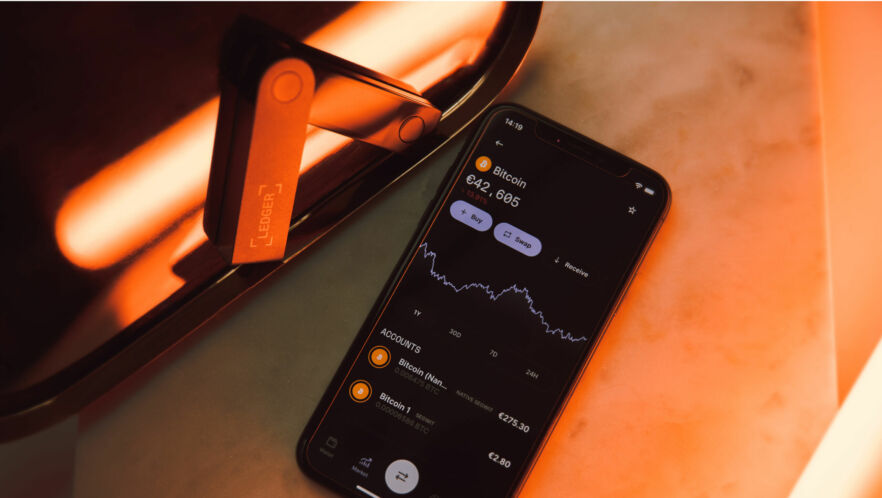
- Hardware Wallets: For long-term storage, consider a hardware wallet. These devices store your crypto offline, making them much more secure.
- Backup Your Wallet: Make sure you have a backup of your wallet's private keys or seed phrase. Store it in a safe place, preferably offline.
- Keep Your Software Updated: Regularly update your wallet software and operating system to patch any security vulnerabilities.
3. Be Wary of Scams
The crypto world is a playground for scammers. Here's how to spot them:
- Too Good to Be True: If an investment promises guaranteed high returns with little to no risk, it's probably a scam.
- Phishing: Be cautious of emails or messages asking for your private keys or login credentials. Legitimate exchanges will never ask for this information.
- Pump and Dump Schemes: These involve artificially inflating the price of a cryptocurrency and then selling it off for a profit, leaving other investors with losses.
- Impersonation: Scammers often impersonate well-known figures or companies in the crypto space. Always verify the source before trusting any information.
4. Use Reputable Exchanges
Not all crypto exchanges are created equal. Some are more secure and trustworthy than others.
- Research Exchanges: Look for exchanges with a good reputation, strong security measures, and a track record of handling funds responsibly.
- Read Reviews: Check out what other users are saying about an exchange before you sign up.
- Cold Storage: Choose exchanges that store a significant portion of their funds in cold storage.
5. Diversify Your Investments

Don't put all your eggs in one basket. Diversify your crypto portfolio by investing in a variety of different cryptocurrencies.
- Spread the Risk: Diversification can help reduce your overall risk and increase your chances of success.
- Don't FOMO: Avoid making impulsive decisions based on Fear of Missing Out (FOMO). Stick to your investment strategy.
6. Stay Informed
The crypto world is constantly evolving. Stay up-to-date on the latest news, trends, and security threats.
- Follow Reputable Sources: Stick to trustworthy news outlets and industry experts.
- Join Communities: Engage with other crypto enthusiasts in online forums and social media groups.
- Be Skeptical: Always question information and do your own research before making any decisions.
Common Concerns and How to Address Them
Alright, let's tackle some of the most common worries people have about crypto safety.
"I'm Afraid of Losing My Money"
- Start Small: Begin with a small investment that you're comfortable losing.
- Learn as You Go: Gradually increase your investment as you become more knowledgeable and confident.
- Set Realistic Expectations: Don't expect to get rich quick. Crypto investing is a long-term game.
"I Don't Understand the Technology"
- Take Online Courses: There are plenty of free and paid courses that can help you learn about blockchain and cryptocurrency.
- Read Beginner's Guides: Start with the basics and gradually work your way up to more advanced topics.
- Ask Questions: Don't be afraid to ask questions in online communities or forums.
"I'm Worried About Regulation"
- Stay Informed: Keep up-to-date on the latest regulatory developments in your country.
- Comply with the Law: Make sure you're following all applicable laws and regulations.
- Advocate for Responsible Regulation: Support efforts to create clear and fair regulations that protect investors without stifling innovation.
Real Talk: Scenarios and Solutions
Let’s walk through some common scenarios and how to handle them.
Scenario 1: You Receive a Suspicious Email
- The Email: "Urgent! Your account has been compromised. Click here to reset your password."
- Solution: Do not click the link. Go directly to the exchange's website and log in. If you're concerned, contact customer support.
Scenario 2: A Friend Tells You About a "Guaranteed" Investment
- The Pitch: "This new crypto is going to explode! You can make 10x your money in a month!"
- Solution: Be skeptical. Do your own research. If it sounds too good to be true, it probably is.
Scenario 3: You Accidentally Send Crypto to the Wrong Address
- The Oops: You mistype an address and send crypto to the wrong person.
- Solution: Unfortunately, there's usually no way to recover the funds. Always double-check the address before sending.
A Glimpse into the Future
The future of cryptocurrency is uncertain, but one thing is clear: it's here to stay. As the industry matures, we can expect to see more regulation, better security measures, and greater adoption by mainstream users.
Trends to Watch
- Institutional Investment: More and more institutions are getting involved in crypto, bringing stability and legitimacy to the market.
- Decentralized Finance (DeFi): DeFi platforms are offering new ways to lend, borrow, and trade crypto without intermediaries.
- Central Bank Digital Currencies (CBDCs): Governments around the world are exploring the possibility of issuing their own digital currencies.
Conclusion: Crypto Safety Is in Your Hands
So, is cryptocurrency safe? It can be, but it's up to you to take the necessary precautions. By doing your research, securing your wallets, being wary of scams, and staying informed, you can navigate the crypto world with confidence.
The crypto landscape is constantly evolving, so stay vigilant and keep learning. Don't let fear hold you back, but don't be reckless either. Approach crypto with a healthy dose of skepticism, a thirst for knowledge, and a commitment to safety.
Ready to take the plunge? What are your biggest concerns about crypto safety? Let's chat in the comments below!
Frequently Asked Questions (FAQs)
1. What is the most secure cryptocurrency?
There's no single "most secure" cryptocurrency. Security depends on the underlying blockchain technology, the security measures implemented by the project, and how you store your crypto. Bitcoin is often considered one of the most secure due to its long track record and robust network.
2. How can I protect my crypto wallet from being hacked?
- Use a strong, unique password.
- Enable two-factor authentication (2FA).
- Store large amounts of crypto in a hardware wallet.
- Keep your software updated.
- Be cautious of phishing scams.
3. Is it safe to store my crypto on an exchange?
Storing crypto on an exchange carries some risk. Exchanges can be hacked, and you don't have direct control over your private keys. It's generally safer to store your crypto in a wallet that you control.
4. What should I do if I think I've been scammed?
- Report the scam to the exchange or platform where it occurred.
- Contact law enforcement if you've lost a significant amount of money.
- Warn others about the scam to prevent them from becoming victims.
- Change your passwords and enable 2FA on all your accounts.
5. Are stablecoins a safe investment?
Stablecoins are designed to maintain a stable value, typically pegged to a fiat currency like the US dollar. However, they're not entirely risk-free. Some stablecoins may not be fully backed by reserves, and they can be vulnerable to regulatory scrutiny.


Leave a Reply