

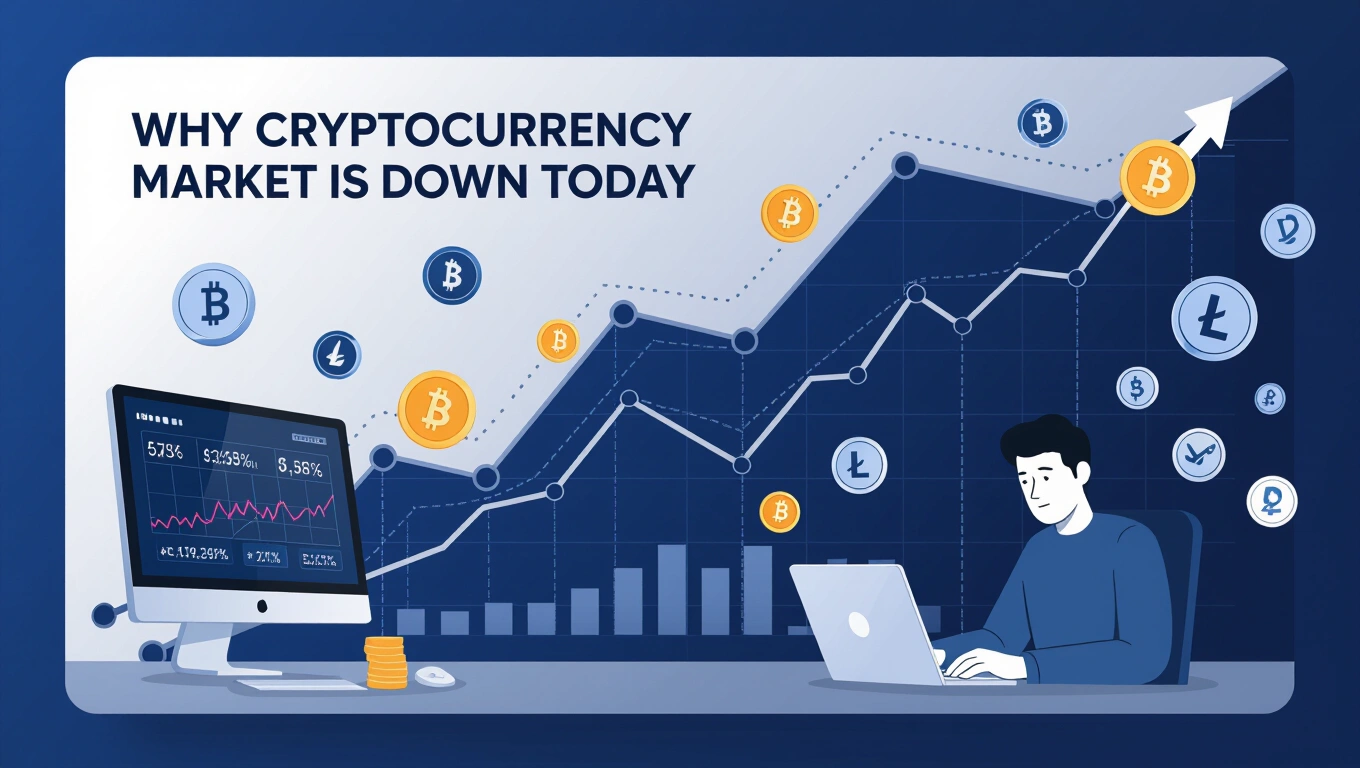
Hey there, crypto enthusiast! Ever wake up, check your portfolio, and think, "Uh oh, what happened here?" You're not alone. The cryptocurrency market can feel like a rollercoaster, and today, we're diving into the big question: Why is the cryptocurrency market down today? Let's break it down in a way that's easy to understand, without the confusing jargon.
Decoding the Crypto Dip: What's Going On?
So, your favorite coin is taking a nosedive. Before you panic-sell, let’s explore the common culprits behind these market downturns. It’s rarely just one thing; usually, it’s a combination of factors.
1. The Domino Effect: Bitcoin's Influence
Bitcoin is like the big cheese of the crypto world. When Bitcoin sneezes, the whole market catches a cold. Its movements often dictate the overall direction of the market. What factors influence Bitcoin's price? News, regulations, and overall market sentiment play significant roles.
- Good News: Bitcoin rallies; altcoins often follow.
- Bad News: Bitcoin dips; altcoins usually sink faster.
2. Regulatory Rumblings: Government's Impact
Governments worldwide are still figuring out what to do with crypto. New regulations can send shockwaves through the market.
- Crackdowns: Countries banning or restricting crypto can trigger sell-offs.
- Positive Regulations: Clear, supportive rules can boost confidence and prices.
Think of it like this: if a government announces strict rules on crypto, it’s like telling people they can't play their favorite game anymore. Naturally, some will cash out and find a new game.
3. Market Sentiment: Fear, Greed, and Everything in Between
The crypto market is driven by emotions just as much as by technology. Fear and Greed are two major emotions.
- Fear (Fear, Uncertainty, and Doubt – FUD): Negative news, hacks, or scams can create fear, leading to panic selling.
- Greed (FOMO – Fear of Missing Out): When prices are soaring, everyone wants in, driving prices up, often unsustainably.
It's like a crowded theater; if someone yells "fire," everyone rushes for the exits, regardless of whether there's an actual fire.
4. Macroeconomic Factors: The Bigger Picture
Crypto doesn't exist in a vacuum. What's happening in the global economy matters.

- Interest Rates: Rising interest rates can make riskier assets like crypto less attractive.
- Inflation: Concerns about inflation can lead investors to move their money into safer havens.
- Geopolitical Events: Wars, political instability, and global crises can all impact market sentiment and crypto prices.
Imagine the global economy as a giant ocean. Crypto is a boat sailing on that ocean. If the ocean gets stormy (economic uncertainty), the boat (crypto) is going to feel it.
5. Whale Movements: Big Players Making Waves
"Whales" are individuals or entities that hold large amounts of a particular cryptocurrency. Their actions can significantly impact the market.
- Large Sell Orders: A whale selling off a large chunk of their holdings can trigger a price drop.
- Strategic Buys: Conversely, a whale buying a significant amount can drive the price up.
Think of whales as the big fish in a small pond. When they move, everyone notices.
6. Technological Hiccups: When Things Break
Crypto is built on technology, and technology isn't always perfect.
- Network Congestion: Overloaded networks can slow down transactions and increase fees, leading to frustration and selling pressure.
- Bugs and Exploits: Vulnerabilities in code can be exploited by hackers, resulting in stolen funds and loss of confidence.
Imagine a bridge collapsing. People lose faith in the infrastructure and might avoid using it altogether.
Riding the Waves: Strategies for Navigating Downturns
Okay, so the market's down. Now what? Here are a few strategies to consider:
- Don't Panic: Easier said than done, but emotional decisions rarely pay off. Take a deep breath and assess the situation rationally.
- Do Your Research: Understand why the market is down. Is it a temporary blip or a more fundamental issue?
- Zoom Out: Look at the bigger picture. How has your investment performed over the long term?
- Consider Buying the Dip: If you believe in the long-term potential of a cryptocurrency, a downturn can be an opportunity to buy it at a lower price.
- Diversify: Don't put all your eggs in one basket. Spreading your investments across different cryptocurrencies can reduce your risk.
| Strategy | Description |
|---|---|
| HODL | Hold On for Dear Life. A strategy where you hold onto your cryptocurrency regardless of price fluctuations, believing in its long-term potential. |
| Dollar-Cost Averaging (DCA) | Investing a fixed amount of money at regular intervals, regardless of the price. This can help reduce the impact of volatility by averaging out your purchase price over time. |
| Staking | Participating in the validation of transactions on a blockchain network by holding and "staking" your cryptocurrency. In return, you earn rewards, which can help offset losses during a downturn. |
| Rebalancing | Periodically adjusting your portfolio to maintain your desired asset allocation. This may involve selling some assets that have performed well and buying others that have underperformed, which can help you take profits and buy low. |
| Staying Informed | Keeping up-to-date with the latest news, trends, and developments in the cryptocurrency market. This can help you make more informed decisions and avoid being caught off guard by sudden market movements. |
Understanding Market Cycles: The Inevitable Ups and Downs
The crypto market moves in cycles. There are bull markets (periods of rising prices) and bear markets (periods of falling prices). Understanding these cycles can help you manage your expectations and make better investment decisions.
- Bull Markets: Characterized by optimism, excitement, and rapid price appreciation.
- Bear Markets: Characterized by pessimism, fear, and significant price declines.
Think of it like the seasons. Winter is tough, but it always gives way to spring. Bear markets don't last forever.
Additional Factors Contributing to Market Downturns:
- Profit-Taking: After a period of gains, some investors may decide to take profits, leading to a sell-off.
- Margin Calls: Investors using leverage (borrowed money) may be forced to sell their holdings if the price drops below a certain level.
- Black Swan Events: Unexpected and unpredictable events, such as a major hack or regulatory change, can trigger a market crash.
FAQ: Your Crypto Questions Answered
Alright, let's tackle some of those burning questions you might have.
Q1: Is this the end of crypto?
A: Probably not. Crypto has been declared "dead" many times, but it keeps bouncing back. Volatility is part of the game.
Q2: Should I sell everything?
A: That depends on your individual circumstances and risk tolerance. Don't make rash decisions based on fear. Consider consulting a financial advisor.
Q3: How long will this downturn last?
A: Nobody knows for sure. Market cycles are unpredictable. Focus on the long-term potential of your investments.
Q4: What are some signs that the market is recovering?
A: Increased trading volume, positive news, and a sustained upward trend in prices can be indicators of a recovery.
Q5: Where can I get reliable information about the crypto market?
A: Stick to reputable news sources, research platforms, and industry experts. Be wary of social media hype and unsubstantiated claims.
Q6: What is a crypto whale and how do their actions impact the market?
A: A crypto whale is an individual or entity that holds a significant amount of a particular cryptocurrency. Their actions, such as large buy or sell orders, can have a substantial impact on the market price due to the size of their trades influencing supply and demand.
Q7: How do macroeconomic factors like interest rates and inflation affect the cryptocurrency market?
A: Macroeconomic factors can significantly influence the crypto market. Rising interest rates can make riskier assets like cryptocurrencies less attractive compared to safer investments. Inflation concerns can also lead investors to move their funds into more stable assets, impacting the demand for crypto.
Conclusion: Staying Calm in the Crypto Storm
So, why is the cryptocurrency market down today? As you've seen, it's usually a mix of factors, from Bitcoin's movements to regulatory news to market sentiment. The key is to stay informed, avoid panic, and stick to your long-term investment strategy.
Remember, the crypto market is volatile, but it's also full of potential. By understanding the forces that drive it, you can navigate the ups and downs with confidence. Now you tell me, what strategies do you use to stay afloat during market dips? Share your thoughts in the comments below!


Leave a Reply