

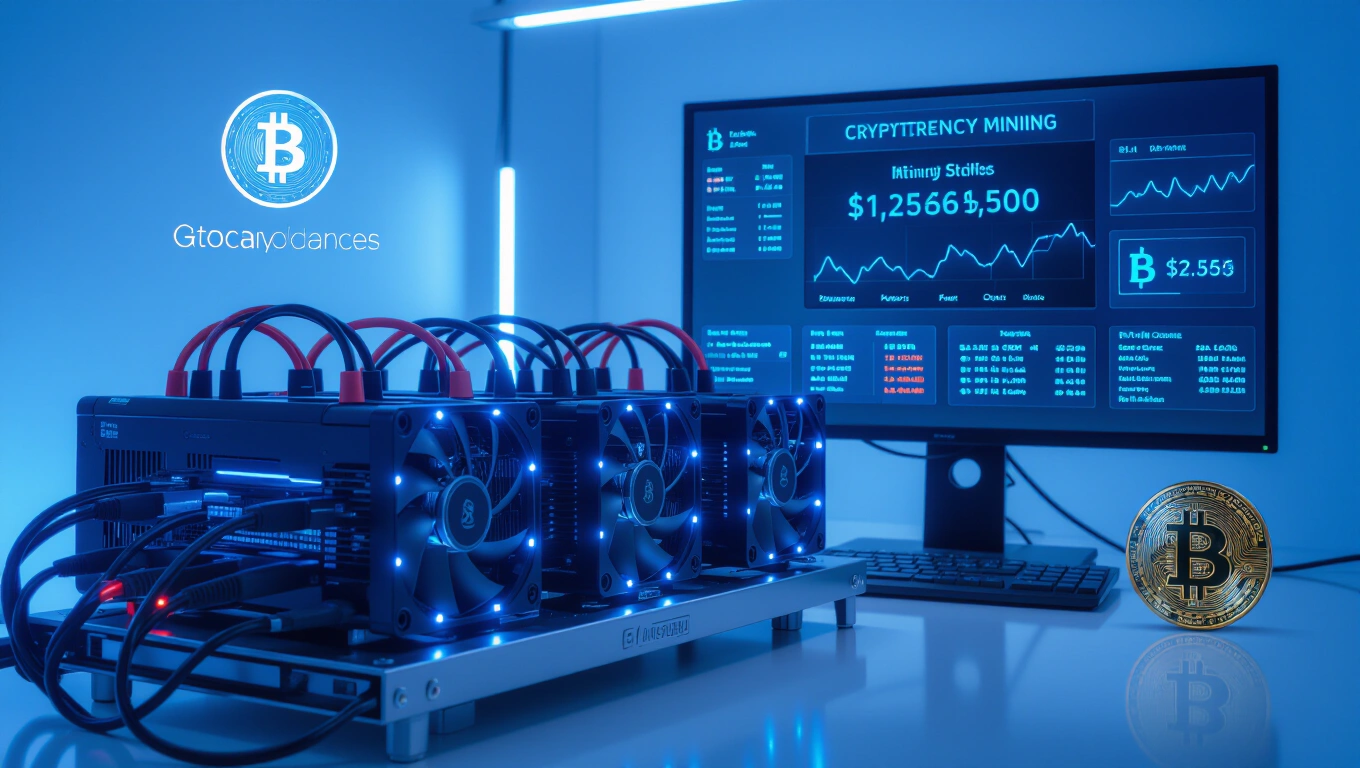
Cryptocurrency mining: Ever wondered how new Bitcoin, Ethereum, or other digital coins are created? It's not like someone's printing money in a basement! That's where cryptocurrency mining comes in. Think of it as a digital treasure hunt, but instead of gold, you're finding crypto. Let's dive into the world of crypto mining and demystify the process, so you can understand what's really going on behind the scenes.
Unveiling Cryptocurrency Mining
Cryptocurrency mining is the backbone of many cryptocurrencies. It’s the process that confirms transactions and adds new blocks to the blockchain. Miners use powerful computers to solve complex mathematical problems. When they solve a problem, they create a new block, verify transactions, and earn cryptocurrency as a reward. It's a bit like being a digital accountant and getting paid in crypto!
The Nuts and Bolts of the Mining Process
So, how does this magic actually happen? Let's break it down:
- Transaction Verification: When someone sends cryptocurrency, the transaction goes into a pool of unconfirmed transactions.
- Solving the Puzzle: Miners pick transactions from this pool and bundle them into a block. They then try to solve a complex mathematical problem (a hash) associated with that block.
- The Race to Solve: It's a race! Miners compete to be the first to find the solution. They use specialized hardware and software to speed up the process.
- Reward Time: The first miner to solve the problem gets to add the new block to the blockchain and receives a reward in the form of newly minted cryptocurrency along with transaction fees.
Why is Mining Important?
Mining isn't just about creating new coins. It plays a crucial role in maintaining the integrity and security of the blockchain.
- Securing the Network: By verifying transactions, miners prevent double-spending (where someone tries to spend the same coins twice).
- Decentralization: Mining is decentralized, which means no single entity controls the network. This makes it more resistant to censorship and manipulation.
- Creating New Coins: Mining is how new coins are introduced into the system, ensuring there's a steady supply.
Types of Mining
Not all crypto mining is created equal. There are different methods you can use, each with its own pros and cons. Let's explore some of the main types.
Proof of Work (PoW)
Proof of Work is the original mining method, made famous by Bitcoin. It involves miners competing to solve complex cryptographic puzzles. The first miner to solve the puzzle gets to add the new block to the blockchain and receives a reward.
How PoW Works
- Hashing: Miners use hashing algorithms to generate a hash (a unique string of characters) for each block.
- Difficulty: The difficulty of the puzzle is adjusted to ensure that new blocks are added to the blockchain at a consistent rate.
- Energy Intensive: PoW is energy-intensive, requiring significant computing power and electricity.
Proof of Stake (PoS)
Proof of Stake is an alternative to PoW that aims to be more energy-efficient. Instead of solving puzzles, PoS relies on validators who "stake" their cryptocurrency to verify transactions and create new blocks.
How PoS Works
- Staking: Validators lock up a certain amount of their cryptocurrency as collateral.
- Selection: The network selects validators to create new blocks based on the amount of crypto they've staked and other factors.
- Less Energy: PoS requires significantly less energy than PoW, making it a more environmentally friendly option.

Other Mining Methods
Besides PoW and PoS, there are other mining methods, such as:
- Delegated Proof of Stake (DPoS): Uses a voting system to elect delegates who validate transactions.
- Proof of Authority (PoA): Relies on trusted validators to maintain the blockchain.
- Proof of Capacity (PoC): Uses hard drive space instead of computing power to mine.
Hardware and Software Requirements
If you're thinking about getting into crypto mining, you'll need the right tools. Here's a rundown of the hardware and software you'll need to get started.
Mining Hardware
The hardware you need depends on the type of cryptocurrency you want to mine.
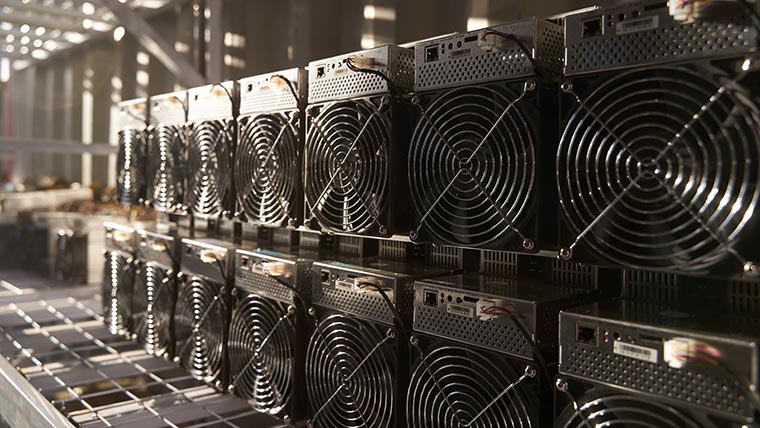
- ASICs (Application-Specific Integrated Circuits): These are specialized machines designed specifically for mining certain cryptocurrencies. They're the most efficient but can be expensive.
- GPUs (Graphics Processing Units): GPUs are less efficient than ASICs but can be used to mine a wider range of cryptocurrencies.
- CPUs (Central Processing Units): CPUs are the least efficient option and are generally only used for mining cryptocurrencies that are resistant to ASICs.
Here's a quick comparison:
| Hardware | Efficiency | Cost | Use Cases |
|---|---|---|---|
| ASICs | Highest | Highest | Mining specific cryptocurrencies |
| GPUs | Medium | Medium | Mining a range of cryptocurrencies |
| CPUs | Lowest | Lowest | Mining ASIC-resistant cryptocurrencies |
Mining Software
You'll also need mining software to connect your hardware to the blockchain network.
- Mining Pools: These are groups of miners who combine their computing power to increase their chances of solving a block.
- Standalone Mining: This involves mining on your own, without joining a pool. It's more challenging but offers the potential for higher rewards.
Is Mining Profitable?
Ah, the million-dollar question! Mining can be profitable, but it depends on several factors.
Factors Affecting Profitability
- Cryptocurrency Price: The price of the cryptocurrency you're mining is a major factor. If the price goes up, your rewards are worth more.
- Mining Difficulty: The difficulty of the mining puzzle affects how much computing power you need to solve it.
- Electricity Costs: Mining consumes a lot of electricity, so your electricity costs can eat into your profits.
- Hardware Costs: The cost of mining hardware can be significant, so you'll need to factor that into your calculations.
Calculating Potential Profits
To calculate your potential profits, you'll need to consider all of these factors. There are online mining calculators that can help you estimate your profitability based on your hardware, electricity costs, and other variables.
Legal and Environmental Considerations
Before you jump into mining, it's important to be aware of the legal and environmental implications.
Legal Aspects
- Regulations: Cryptocurrency regulations vary from country to country. Make sure you're aware of the regulations in your jurisdiction before you start mining.
- Taxes: Mining rewards may be subject to taxes. Consult a tax professional to understand your tax obligations.
Environmental Impact
- Energy Consumption: Mining, especially PoW, can consume a lot of energy, contributing to carbon emissions.
- Sustainable Mining: Some miners are exploring more sustainable mining practices, such as using renewable energy sources.
Getting Started with Cryptocurrency Mining
Ready to take the plunge? Here are a few tips to get you started.

Research
- Choose a Cryptocurrency: Research different cryptocurrencies and choose one that you're interested in mining.
- Understand the Technology: Learn about the mining process and the hardware and software requirements.
Set Up Your Mining Rig
- Buy Hardware: Purchase the necessary hardware, such as an ASIC or GPU.
- Install Software: Install the mining software and connect it to a mining pool or the blockchain network.
Monitor and Optimize
- Track Performance: Monitor your mining performance and make adjustments as needed.
- Optimize Settings: Experiment with different settings to optimize your mining efficiency.
Cryptocurrency Mining: Frequently Asked Questions (FAQs)
Here are some common questions about cryptocurrency mining:
-
What is a mining pool?
A mining pool is a collaborative group of cryptocurrency miners who combine their computational resources over a network to increase their chances of finding a block. When the pool successfully finds a block, the reward is distributed among the miners according to the amount of computational power they contributed.
-
Is cryptocurrency mining legal?
The legality of cryptocurrency mining varies by jurisdiction. While many countries permit cryptocurrency mining, some have restrictions or outright bans due to concerns such as energy consumption, environmental impact, or regulatory issues. It's important to research and comply with local laws and regulations regarding cryptocurrency mining.
-
How much does it cost to start mining cryptocurrency?
The cost to start mining cryptocurrency can vary widely depending on several factors, including the type of cryptocurrency you want to mine, the hardware you choose, and your electricity costs. Mining hardware can range from a few hundred dollars for basic setups to thousands of dollars for high-end equipment. Additionally, you'll need to factor in electricity costs, which can be significant depending on your location and the energy efficiency of your mining setup.
-
Can I mine cryptocurrency on my phone?
While it's technically possible to mine cryptocurrency on your phone, it's generally not practical or profitable. Mobile devices have limited processing power and battery life compared to dedicated mining hardware like ASICs or GPUs. Additionally, the energy consumption of mining on a phone can quickly drain the battery and may not yield significant rewards.
-
What are the risks of cryptocurrency mining?
Cryptocurrency mining involves several risks, including:
- Financial Risk: The value of cryptocurrencies can be volatile, and mining profitability can fluctuate based on market conditions.
- Hardware Risk: Mining hardware can be expensive, and there's a risk of equipment failure or obsolescence.
- Regulatory Risk: Changes in regulations or government policies can impact the legality and profitability of mining.
- Environmental Risk: Mining can consume significant amounts of electricity, contributing to environmental concerns.
-
How does mining difficulty adjust?
Mining difficulty is adjusted periodically by the cryptocurrency network to maintain a consistent block creation rate. If blocks are being generated too quickly, the difficulty is increased to slow down the process. Conversely, if blocks are being generated too slowly, the difficulty is decreased to speed up the process. This adjustment ensures that new blocks are added to the blockchain at a predictable rate, regardless of changes in the total mining power of the network.
Conclusion
So, there you have it—a comprehensive guide to cryptocurrency mining! It's a complex but fascinating world that plays a vital role in the crypto ecosystem. While it's not a get-rich-quick scheme, understanding the process can give you a deeper appreciation for the technology behind cryptocurrencies. Whether you decide to dive in and start mining or simply want to understand how it all works, you're now equipped with the knowledge to navigate this exciting landscape. Happy mining, or at least, happy learning!


Leave a Reply