

So, you're curious about mining cryptocurrency, huh? It sounds like something out of a sci-fi movie, but trust me, it's more accessible than you think. Let's dive into the exciting world of crypto mining and see if it’s the right fit for you.
What is Cryptocurrency Mining?
Think of cryptocurrency mining as digital archeology. Instead of digging for gold, you're using powerful computers to solve complex math problems. These problems verify transactions on a blockchain network, and in return, you get rewarded with new coins. It's how new crypto coins are created and how transactions stay secure.
The Blockchain Connection
The blockchain is like a digital ledger that records every transaction. Miners are the guardians of this ledger, ensuring that no one messes with the records. When you mine, you're essentially confirming that transactions are legit.
Is Mining Cryptocurrency Right for You?
Before you jump in headfirst, let's be real. Mining isn't a walk in the park. It requires some serious hardware, a decent understanding of tech, and a bit of patience.
The Upsides
- Earning Crypto: Obviously, the biggest perk is earning cryptocurrency without buying it from an exchange.
- Supporting the Network: You're helping to keep the blockchain secure and decentralized.
- Learning Experience: You'll learn a ton about blockchain technology, hardware, and crypto economics.
The Downsides
- High Initial Investment: Mining rigs aren't cheap. You'll need to invest in powerful hardware.
- Electricity Costs: These machines guzzle electricity, which can eat into your profits.
- Technical Know-How: You'll need to troubleshoot hardware and software issues.
- Competition: The more miners there are, the harder it is to earn rewards.
Getting Started: A Step-by-Step Guide
Okay, so you're still interested? Awesome! Here’s how to get started.
1. Choose Your Cryptocurrency
Not all cryptocurrencies are mined the same way. Bitcoin, for example, uses a system called Proof-of-Work (PoW), which requires powerful computers to solve complex problems. Other cryptos use Proof-of-Stake (PoS), where you earn rewards by holding and "staking" your coins.
Here's a quick comparison:
| Feature | Proof-of-Work (PoW) | Proof-of-Stake (PoS) |
|---|---|---|
| Mining Power | High | Low |
| Energy Consumption | High | Low |
| Hardware | Specialized Rigs | Standard Computer |
| Difficulty | High | Low |
2. Get the Right Hardware
For PoW coins like Bitcoin, you'll need specialized hardware called ASICs (Application-Specific Integrated Circuits). These machines are designed specifically for mining and are way more efficient than regular computers.
- ASICs: Best for Bitcoin and other PoW coins.
- GPUs: Can be used for mining Ethereum and other altcoins.
- CPUs: Not very efficient for most cryptocurrencies, but can be used for some smaller projects.

3. Set Up a Crypto Wallet
You'll need a digital wallet to store your mined coins. There are different types of wallets:
- Hardware Wallets: Physical devices that store your crypto offline.
- Software Wallets: Apps or programs that store your crypto on your computer or phone.
- Exchange Wallets: Wallets provided by crypto exchanges.
4. Join a Mining Pool (Optional)
Mining pools are groups of miners who combine their computing power to increase their chances of solving blocks and earning rewards. When a pool solves a block, the rewards are split among the miners based on their contribution.
5. Install Mining Software
You'll need software to connect your hardware to the blockchain and start mining. Popular options include:
- CGMiner: A command-line mining program that supports various cryptocurrencies.
- BFGMiner: Similar to CGMiner but with more advanced features.
- EasyMiner: A user-friendly GUI miner that's great for beginners.
6. Start Mining
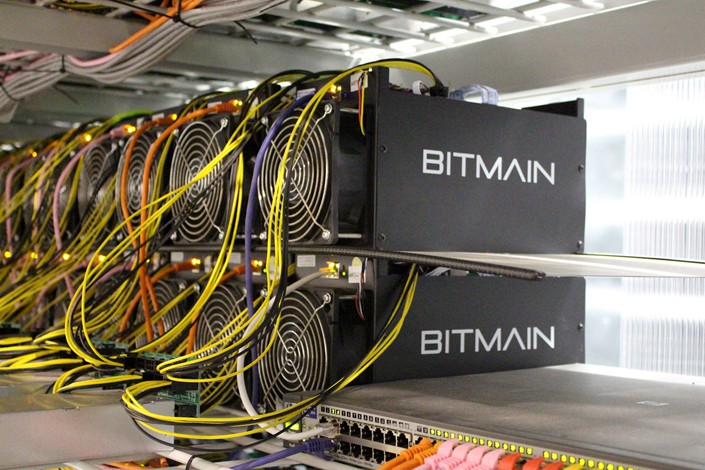
Once you've got everything set up, fire up your mining software and let it run. Keep an eye on your hardware's temperature and performance to make sure everything is running smoothly.
Important Considerations
Electricity Costs
Mining rigs can consume a lot of electricity, so it's important to factor in your electricity costs when calculating your potential profits.
Cooling
Mining hardware generates a lot of heat, so you'll need a good cooling system to prevent overheating.
Noise
Mining rigs can be noisy, so you might want to set them up in a place where the noise won't bother you or your neighbors.
Is Cloud Mining an Option?
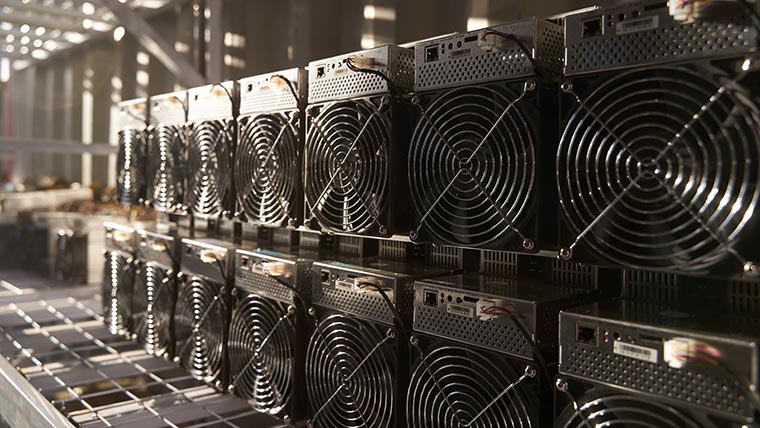
If you don't want to deal with the hassle of setting up your own mining rig, you can try cloud mining. This involves renting computing power from a data center and earning rewards based on the amount of power you rent.
Pros of Cloud Mining
- No Hardware: You don't need to buy or maintain any hardware.
- No Electricity Costs: You don't have to worry about electricity bills.
- Easy to Get Started: It's much easier to set up than traditional mining.
Cons of Cloud Mining
- Risk of Scams: There are many scam cloud mining services out there, so be careful.
- Lower Profits: You'll typically earn less than you would with traditional mining.
- Contract Terms: You're locked into a contract, so you can't easily switch providers.
Staying Safe and Secure
The world of crypto is exciting, but it's also full of risks. Here are a few tips to stay safe:
- Use Strong Passwords: Protect your wallets and accounts with strong, unique passwords.
- Enable Two-Factor Authentication: Add an extra layer of security to your accounts.
- Be Wary of Scams: Don't fall for phishing scams or other attempts to steal your crypto.
- Keep Your Software Up to Date: Regularly update your mining software and operating system to patch security vulnerabilities.
What are the environmental impacts of cryptocurrency mining?

Cryptocurrency mining, especially for Proof-of-Work (PoW) based cryptocurrencies like Bitcoin, has significant environmental impacts primarily due to its high energy consumption. The process requires vast amounts of computational power, which leads to substantial electricity usage, often sourced from fossil fuels. This results in a large carbon footprint, contributing to greenhouse gas emissions and climate change.
How does cryptocurrency mining contribute to decentralization?
Cryptocurrency mining plays a crucial role in decentralization by distributing the verification and validation of transactions across a network of miners, rather than relying on a central authority. This distribution ensures that no single entity controls the blockchain, making it more resistant to censorship and manipulation.
What are the tax implications of cryptocurrency mining?
The tax implications of cryptocurrency mining vary by jurisdiction but generally, mined cryptocurrencies are considered taxable income. In many countries, the fair market value of the cryptocurrency at the time it is mined is treated as income, which is subject to income tax. Additionally, when the mined cryptocurrency is later sold or traded, any profit made may be subject to capital gains tax.
What are the legal considerations for cryptocurrency mining?
Legal considerations for cryptocurrency mining vary significantly by jurisdiction. Some regions have clear and supportive regulations, while others have ambiguous or restrictive policies. Key legal aspects include:
Regulatory Compliance: Miners must comply with local financial regulations, which may include licensing requirements, anti-money laundering (AML) measures, and reporting obligations.
Environmental Regulations: In areas with strict environmental laws, miners may need to adhere to regulations regarding energy consumption and emissions.
Tax Laws: Compliance with tax laws is essential, including reporting mined cryptocurrency as income and paying applicable taxes.
What are the risks associated with cryptocurrency mining?
Cryptocurrency mining involves several risks that potential miners should be aware of:
Financial Risk: The initial investment in mining hardware can be substantial, and the profitability of mining depends on cryptocurrency prices, mining difficulty, and electricity costs. A significant drop in cryptocurrency value or an increase in mining difficulty can lead to losses.
Technological Risk: The cryptocurrency mining landscape is constantly evolving. New, more efficient hardware can render older equipment obsolete, requiring additional investment to stay competitive.
Regulatory Risk: Changes in government regulations can impact the legality and profitability of cryptocurrency mining.
Security Risk: Mining operations can be vulnerable to hacking and cyber-attacks, potentially leading to the theft of mined cryptocurrency or the compromise of mining infrastructure.
FAQ Section
Q: How much does it cost to start mining cryptocurrency?
A: The cost varies widely depending on the cryptocurrency you want to mine and the hardware you choose. You could spend anywhere from a few hundred dollars to tens of thousands of dollars.
Q: Is it profitable to mine cryptocurrency in 2024?
A: Profitability depends on factors like the price of the cryptocurrency, the cost of electricity, and the efficiency of your hardware. Do your research and crunch the numbers before investing.
Q: Can I mine cryptocurrency on my phone?
A: While it's technically possible to mine on a phone, it's not practical or profitable due to the limited processing power.
Q: What's the difference between mining and staking?
A: Mining involves solving complex math problems to verify transactions, while staking involves holding and "staking" your coins to earn rewards.
Q: How do I choose the right mining pool?
A: Look for a pool with low fees, reliable uptime, and a good reputation. Check out reviews and compare different options before making a decision.
So, is mining cryptocurrency worth it? That's a question only you can answer. Weigh the pros and cons, do your research, and see if it aligns with your goals and resources.
Ready to take the plunge? Or maybe you're just curious to learn more. Either way, I hope this guide has given you a solid foundation to start your crypto mining journey. Good luck, and happy mining!


Leave a Reply