

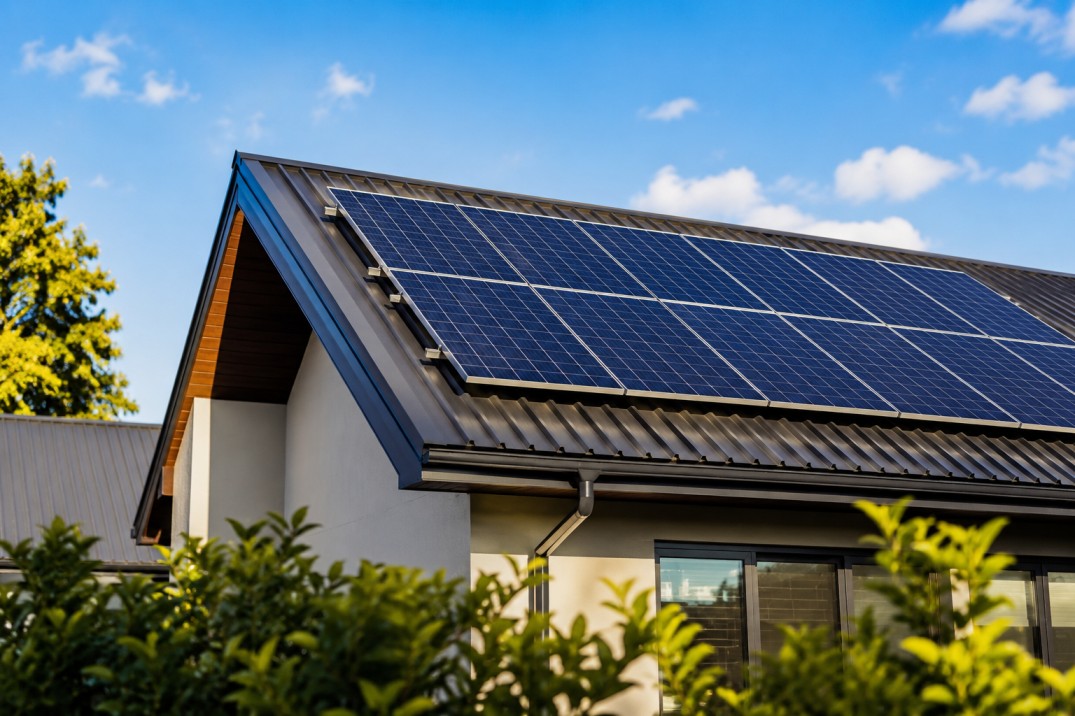
Australia is one of the world’s leading markets for rooftop solar, and it is easy to understand why. With abundant sunshine across much of the country, solar energy offers households and businesses an opportunity to generate electricity on-site and take greater control of their energy use.
However, choosing solar systems australia involves more than selecting a panel brand or finding the cheapest installation quote. A solar system should be designed around the property’s electricity consumption, available roof space, energy goals and future requirements.
For homeowners and businesses on the Gold Coast, those considerations can be particularly important. Queensland’s climate, household cooling requirements, business operating patterns and growing interest in battery storage can all influence how a solar system should be designed.
The right approach is to look at the complete energy solution rather than treating solar panels as an isolated purchase.
What Are Solar Systems Australia?
The term solar systems australia generally refers to solar photovoltaic systems installed throughout Australia for residential, commercial, industrial and off-grid applications.
A typical grid-connected solar installation may include:
- Solar photovoltaic panels
- Solar inverter
- Mounting equipment
- Electrical protection equipment
- Monitoring technology
- Cabling and associated electrical components
- Battery storage where appropriate
Solar panels convert sunlight into electricity. The inverter then converts the generated electricity into a form that can be used by appliances and electrical equipment within the property.
Depending on the system configuration and electricity arrangements, surplus generation may also be exported to the electricity grid.
Battery storage can provide another option by storing some generated electricity for use later.
The Australian Government provides solar information for Australian households, including guidance on solar PV systems, batteries and consumer considerations.
Why Choosing the Right System Matters
There is no universal solar system that works equally well for every property.
Consider two homes in the same suburb. One might have a large family, extensive air-conditioning use and high evening electricity consumption. The other might have fewer occupants and relatively low electricity demand during the day.
Although both properties receive similar sunlight, their ideal solar solutions could be very different.
Businesses can have even more varied requirements.
A small office may have modest daytime electricity consumption, while a manufacturing facility or large commercial building could operate energy-intensive equipment for many hours.
This is why a professional assessment should come before choosing a particular system size.
1. Start With Your Electricity Usage
One of the most useful steps when researching solar systems australia is reviewing your electricity bills.
Look at your recent consumption and identify when electricity demand is highest.
Questions to consider include:
- How much electricity does the property consume?
- Is consumption concentrated during the day?
- Does electricity usage increase in the evening?
- How much energy is used for air conditioning?
- Are pool pumps or electric hot-water systems operating regularly?
- Is an electric vehicle planned?
- Could the property’s electricity consumption increase?
Understanding these patterns gives an installer useful information when designing the system.
A solar system should be based on the property’s actual energy requirements rather than simply selecting a package because it has a certain number of panels.
2. Assess the Available Roof Space
Roof space is another important consideration.
The amount of usable roof area can influence the number and arrangement of panels that can be installed.
However, the entire roof isn’t necessarily suitable.
An installer may need to consider:
- Roof orientation
- Roof pitch
- Shading
- Nearby buildings
- Trees
- Roof condition
- Available installation areas
- Electrical infrastructure
Shading deserves particular attention because trees, structures and neighbouring buildings can affect solar generation at different times of the day.
A site assessment can help determine how these factors should influence the system design.
3. Choose the Right System Size
When comparing solar systems australia, homeowners sometimes assume that installing the largest possible system is automatically the best approach.
That isn’t always true.
System sizing should take into account electricity consumption, solar generation potential, available roof space, export arrangements and future energy requirements.
For some properties, a smaller system may be sufficient. Others may benefit from a larger solar array.
The important point is that the recommendation should have a clear reason behind it.
Ask the installer:
Why is this system size suitable for my property?
A professional answer should refer to your electricity usage and the characteristics of the installation rather than simply quoting a standard package.
4. Look Beyond Solar Panels
Solar panels are highly visible, but they’re only one part of a complete solar installation.
When comparing solar systems australia, consider the entire system.
Solar Panels
Panels convert sunlight into electrical energy. Different products can vary in efficiency, physical size, warranty terms and performance characteristics.
Inverter
The inverter converts electricity generated by the panels into electricity suitable for use within the property.
The inverter also plays an important role in system monitoring and overall operation.
Mounting Equipment
Mounting equipment secures the panels to the roof or another suitable structure.
Quality installation and appropriate mounting components are important considerations for long-term performance.
Monitoring
Monitoring systems can provide information about electricity generation and, depending on the system, energy consumption and battery performance.
Battery Storage
Batteries can store surplus solar generation for later use.
Whether battery storage makes sense depends on the property’s electricity profile and energy goals.
The Clean Energy Council provides information about approved solar and battery products through its Products Program.
5. Consider Battery Storage
Battery storage is becoming an increasingly common part of Australia’s home energy conversation.
Solar panels generally generate electricity during daylight hours, while households can continue consuming electricity after sunset.
A battery can store some excess solar generation and make that energy available later.
However, installing a battery isn’t automatically beneficial for every property.
Before including storage in your solar systems australia plan, consider:
- Current solar generation
- Daytime electricity consumption
- Evening electricity consumption
- Battery usable capacity
- Battery power output
- Warranty conditions
- Expected lifespan
- Backup requirements
- Future electricity needs
A good solar provider should explain whether a battery is appropriate rather than treating it as an essential addition to every installation.
6. Think About Future Energy Needs
Your electricity requirements may change after your solar system is installed.
For example, you may later purchase:
- An electric vehicle
- Additional air-conditioning equipment
- An electric hot-water system
- A home battery
- Energy-intensive appliances
Businesses can also expand operations and increase electricity demand.
Discussing these possibilities before installation can help you choose a system that is better aligned with your longer-term plans.
For example, if an EV is likely to be added within the next few years, it may be worth discussing charging requirements with the installer before finalising your solar design.
7. Residential Solar Needs a Personalised Approach
Australian homes vary significantly in size, occupancy and electricity consumption.
A household’s energy requirements can also change depending on climate and lifestyle.
For Gold Coast homeowners, cooling can be an important part of household electricity demand, particularly during warmer periods.
This means residential solar systems australia should ideally be designed around the individual property’s energy profile.
Energy Solution Centre takes a tailored approach to residential solar rather than applying a single package to every customer.
Its Gold Coast team works with customers to develop energy solutions based on their individual circumstances, including solar power, battery storage and other energy technologies.
8. Commercial Solar Requires Different Planning
Commercial solar projects can have considerably different requirements from residential installations.
A business may have substantial electricity consumption during operating hours, which can create opportunities for on-site solar generation.
However, commercial system design should take into account:
- Business operating hours
- Electricity consumption
- Roof size
- Building characteristics
- Existing electrical infrastructure
- Equipment loads
- Future expansion
- Energy-management objectives
A commercial property shouldn’t necessarily use the same design principles as a home.
Energy Solution Centre provides commercial solar solutions alongside residential and off-grid systems, allowing different types of customers to explore energy solutions suited to their properties.
9. Don’t Ignore Off-Grid Applications
Not every Australian property is connected to the electricity grid.
For remote homes, rural properties and other locations, off-grid solar can provide an alternative approach to electricity generation and storage.
Off-grid solar systems australia need particularly careful planning because the system may need to supply the property’s energy requirements without relying on the grid as a backup.
Important considerations include:
- Daily energy consumption
- Peak electricity demand
- Solar generation
- Battery storage
- Essential loads
- Backup arrangements
- Seasonal energy requirements
- Future electricity consumption
A larger solar array alone isn’t necessarily the answer.
The relationship between generation, storage and consumption needs to be considered as a complete system.
10. Compare Complete Solar Quotes
When researching solar systems australia, it can be tempting to compare quotes based only on price.
Instead, compare what each quote actually includes.
Check whether the proposal identifies:
- Solar panel models
- Inverter model
- System capacity
- Battery model, if applicable
- Installation scope
- Monitoring
- Warranties
- Electrical work
- Expected performance
- Ongoing support
Two systems can have similar prices but very different specifications.
Likewise, a cheaper quote may not necessarily represent better value if important components or services aren’t included.
A detailed quote makes it easier to compare systems on a like-for-like basis.
11. Check Installer Credentials
Solar installation involves electrical work, so appropriate qualifications, licensing and accreditation should be taken seriously.
When choosing a provider, ask who will design and install the system and what relevant credentials they hold.
The Clean Energy Council offers consumer guidance on solar and battery systems, including information that can help Australians research solar providers and installations.
Credentials are only one part of the decision, but they can provide an important starting point when evaluating potential installers.
Why Local Gold Coast Experience Can Help
For customers around Chirn Park, Southport and the broader Gold Coast area, dealing with a local solar team can make communication and consultation more convenient.
Energy Solution Centre Chirn Park is located at Shop 3/36 Musgrave Ave, Southport QLD 4215.
The business provides residential solar, commercial solar and off-grid solutions, along with solar batteries, energy storage and EV charging.
Rather than relying on a one-size-fits-all approach, Energy Solution Centre focuses on understanding individual energy requirements and developing tailored solutions.
That approach can be particularly valuable because the right solar system for one property may not be appropriate for another.
Questions to Ask Before Buying Solar
Before choosing among solar systems australia providers, consider asking the following questions.
What system size do you recommend?
Ask the installer to explain how the recommended capacity relates to your electricity consumption.
Which products are included?
Request the exact panel and inverter models rather than relying solely on general product descriptions.
Is battery storage suitable?
The answer should be based on your electricity usage, solar generation and energy goals.
What warranties apply?
Ask about both manufacturer warranties and installation workmanship warranties.
What happens after installation?
Understand who provides assistance if the system develops an issue or you need help with monitoring.
Can the system be expanded?
If you may add more solar, battery storage or an EV charger later, discuss this before installation.
Why Customer Service Matters
A solar system can remain part of a property for many years.
That means the relationship with the installer shouldn’t necessarily end when the panels are switched on.
Customers may eventually need help with monitoring, performance questions, warranty claims or additional energy technology.
For this reason, customer service should be considered alongside equipment specifications and price.
Energy Solution Centre states that customer experience is central to its approach and aims to help customers achieve the energy outcome they actually want.
That focus can be useful when comparing solar systems australia, particularly for customers who want guidance rather than simply purchasing a standard package.
A Practical Solar Buying Checklist
Before committing to a solar installation, work through this checklist:
- Review your recent electricity bills.
- Identify your main electricity consumption periods.
- Assess your usable roof space.
- Check for potential shading.
- Determine an appropriate system size.
- Compare panel and inverter specifications.
- Consider whether battery storage is suitable.
- Check installer credentials.
- Review all warranty conditions.
- Consider future energy requirements.
- Compare complete quotes.
- Ask about after-sales support.
Taking these steps can make the decision more straightforward and help you avoid choosing a system based solely on its advertised price.
Final Thoughts
Choosing solar systems australia is ultimately about finding a solution that fits the property.
The right system depends on electricity consumption, roof characteristics, equipment selection, budget and long-term energy goals.
For homeowners and businesses in Gold Coast, working with an experienced local provider can make it easier to discuss those requirements and explore options such as solar panels, batteries, off-grid systems and EV charging.
Rather than asking only, “Which solar system is cheapest?”, ask a more useful question:
Which solar system is most appropriate for this property and its future energy needs?
That shift in perspective can help homeowners and businesses make a more informed decision.
Whether you’re considering a small residential installation, a larger commercial array or an off-grid solution, careful planning and professional system design can help ensure your solar investment is aligned with how you actually use energy.
FAQ
What are the best solar systems australia for homes?
There isn’t one system that is best for every Australian home. The appropriate system depends on electricity usage, roof characteristics, budget, location, future energy requirements and whether battery storage is required.
How do I determine the right solar system size?
Review your electricity consumption and discuss your usage patterns with a qualified solar provider. The installer should consider both current and future energy requirements when recommending system capacity.
Are batteries necessary for solar systems australia?
No. Batteries aren’t essential for every property. Their suitability depends on factors such as electricity usage, solar generation, energy tariffs and the customer’s objectives.
Can businesses install solar systems australia?
Yes. Commercial solar systems can be designed for businesses with suitable electricity demand and installation conditions. Commercial projects generally require a more detailed assessment of energy usage and building infrastructure.
Can solar systems be used off-grid?
Yes. Off-grid systems can combine solar generation and battery storage to supply properties without a conventional grid connection. These installations require careful planning around generation, storage and electricity consumption.
About Energy Solution Centre Chirn Park
Energy Solution Centre Chirn Park is a solar energy company serving customers in Southport, Chirn Park and the wider Gold Coast region.
The company specialises in residential solar, commercial solar and off-grid solutions, with additional services covering solar batteries, energy storage and EV charging.
Address: Shop 3/36 Musgrave Ave, Southport QLD 4215, Australia
Phone: +61 1300 217 079
Website: Energy Solution Centre Chirn Park


Leave a Reply