


So, you're thinking about diving into the wild world of cryptocurrency? Awesome! It might seem like you need a PhD in computer science to figure it out, but trust me, it's way easier than you think. This guide will break down exactly how to buy cryptocurrency, even if you're just starting out. Let's get to it!
What You Need Before You Buy
Think of buying crypto like going on a trip. You need a few essentials before you pack your bags.
- A Secure Internet Connection: Public Wi-Fi is a no-go. You want to keep your transactions safe.
- A Crypto Wallet: This is where you'll store your digital coins. We'll talk more about wallets later.
- An Exchange Account: You'll need an account on a cryptocurrency exchange to actually buy and sell crypto.
- Payment Method: Usually, a bank account, debit card, or credit card will do the trick.
Step-by-Step: Buying Your First Cryptocurrency
Ready to make your first purchase? Here's the lowdown:
Step 1: Choose a Cryptocurrency Exchange
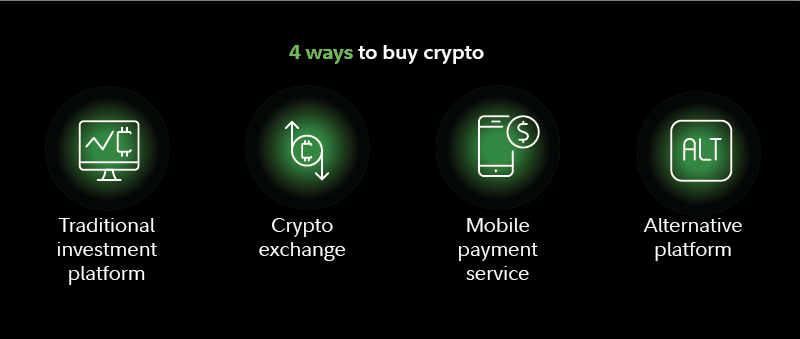
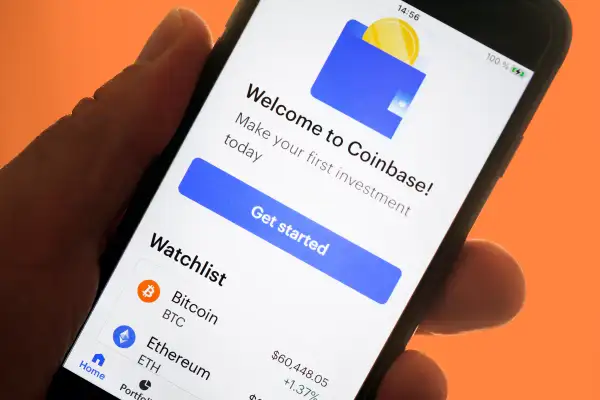
Think of crypto exchanges as online marketplaces where you can buy, sell, and trade cryptocurrencies. Some popular options include Coinbase, Binance, Kraken, and Gemini. Each exchange has its own pros and cons, so do a little research to find one that suits your needs.
Things to consider when choosing an exchange:
- Security: Does the exchange have a good reputation for security? Look for features like two-factor authentication (2FA).
- Fees: What are the trading fees? Some exchanges have higher fees than others.
- Supported Cryptocurrencies: Does the exchange offer the cryptocurrencies you're interested in buying?
- User-Friendliness: Is the platform easy to use, especially if you're a beginner?
Step 2: Create an Account and Verify Your Identity
Once you've chosen an exchange, you'll need to create an account. This usually involves providing your email address, creating a strong password, and verifying your identity.
Why do I need to verify my identity?

Exchanges need to comply with regulations like Know Your Customer (KYC) and Anti-Money Laundering (AML) laws. This helps prevent fraud and illegal activities. Expect to upload a copy of your driver's license or passport.
Step 3: Deposit Funds into Your Account
Now that your account is set up, you need to deposit funds so you can buy crypto. Most exchanges allow you to deposit funds using a bank account, debit card, or credit card. Some even support PayPal.
How long does it take for funds to deposit?
It depends on the exchange and the payment method. Bank transfers can take a few business days, while debit card deposits are usually instant.
Step 4: Place Your Order
Alright, now for the fun part! You're ready to buy some crypto.
-
Choose the Cryptocurrency: Select the cryptocurrency you want to buy (e.g., Bitcoin, Ethereum, Dogecoin).
-
Choose Order Type: There are different order types, but the most common are:
- Market Order: Buys the cryptocurrency at the current market price. This is the simplest option.
- Limit Order: Allows you to set a specific price at which you want to buy. If the price doesn't reach your limit, the order won't be filled.
-
Enter the Amount: Specify how much of the cryptocurrency you want to buy. You can enter the amount in USD or the amount of crypto you want.
-
Confirm Your Order: Double-check all the details and confirm your order.
Step 5: Secure Your Cryptocurrency
Once you've bought your cryptocurrency, it's crucial to store it securely. Leaving it on the exchange is risky because exchanges can be hacked.
Crypto Wallets: Your Digital Vault
A crypto wallet is a software program or hardware device that stores your private keys. These keys are like passwords that allow you to access your cryptocurrency.
- Hot Wallets: These are online wallets that are connected to the internet. They're convenient but less secure. Examples include mobile wallets and web wallets.
- Cold Wallets: These are offline wallets that are not connected to the internet. They're more secure but less convenient. Examples include hardware wallets and paper wallets.
Which wallet is right for you?
If you're planning to trade frequently, a hot wallet might be convenient. But for long-term storage, a cold wallet is the way to go.
Understanding the Risks
Investing in cryptocurrency can be exciting, but it's important to be aware of the risks:

- Volatility: Crypto prices can fluctuate wildly, meaning you could lose money quickly.
- Security: Cryptocurrencies are vulnerable to hacking and theft.
- Regulation: The regulatory landscape for cryptocurrencies is still evolving, which could impact their value.
Don't invest more than you can afford to lose.
Tips for Buying Cryptocurrency Safely
- Use Strong Passwords: Create unique, complex passwords for your exchange and wallet accounts.
- Enable Two-Factor Authentication (2FA): This adds an extra layer of security to your accounts.
- Be Wary of Scams: Be cautious of phishing emails, fake websites, and other scams.
- Do Your Research: Before investing in any cryptocurrency, research the project and understand the risks involved.
Table: Comparing Crypto Exchanges
| Feature | Coinbase | Binance | Kraken | Gemini |
|---|---|---|---|---|
| User-Friendliness | Very easy, great for beginners | Moderate, more features for advanced users | Moderate, good for both beginners/advanced | Easy, good for beginners |
| Fees | Higher fees | Lower fees | Moderate fees | Moderate fees |
| Security | Strong | Strong | Strong | Strong |
| Crypto Variety | Limited selection | Wide selection | Moderate selection | Limited selection |
| Best For | Beginners, simple investing | Active traders, altcoin enthusiasts | Security-conscious investors | Beginners, security-focused investors |
FAQ: Cryptocurrency Buying Essentials
-
What is a cryptocurrency exchange?
A cryptocurrency exchange is a platform where you can buy, sell, and trade cryptocurrencies. It acts as an intermediary between buyers and sellers, facilitating the exchange of digital assets for other assets, such as fiat currencies (e.g., USD, EUR) or other cryptocurrencies. -
How do I choose the right cryptocurrency exchange for me?
When choosing a cryptocurrency exchange, consider factors such as security measures, fees, the variety of cryptocurrencies offered, user-friendliness, and customer support. Look for exchanges with a solid reputation and positive user reviews. -
What are the different types of cryptocurrency wallets?
Cryptocurrency wallets come in various forms, including software wallets (desktop, mobile, and web-based) and hardware wallets. Software wallets are convenient but less secure, while hardware wallets offer enhanced security by storing your private keys offline. -
How can I keep my cryptocurrency safe from hackers?
To safeguard your cryptocurrency from hackers, enable two-factor authentication (2FA) on your exchange and wallet accounts, use strong and unique passwords, avoid clicking on suspicious links, and consider storing your crypto in a hardware wallet for added security. -
What are the risks associated with investing in cryptocurrency?
Investing in cryptocurrency involves risks such as price volatility, regulatory uncertainty, security breaches, and the potential for scams. It's essential to understand these risks and invest only what you can afford to lose.
Conclusion
Buying cryptocurrency might seem daunting at first, but with a little patience and research, you can navigate the process with confidence. Remember to choose a reputable exchange, secure your funds in a reliable wallet, and always be aware of the risks involved. Now that you know how to buy cryptocurrency, are you ready to take the plunge? Happy trading!


Leave a Reply