


Imagine a world where money isn't controlled by banks or governments—a world of digital cash that's secure, transparent, and accessible to anyone with an internet connection. Welcome to the world of cryptocurrency! You've probably heard the buzz, but what is cryptocurrency, and how does it actually work? Let's break it down in a way that's easy to understand, even if you're not a tech whiz.
What is Cryptocurrency?
At its core, cryptocurrency is digital or virtual money that uses cryptography for security. Think of it as electronic cash that can be used to buy goods and services. Unlike traditional money issued by a central bank, cryptocurrency operates on a decentralized technology called blockchain.
Decentralization: The Key Difference
Decentralization is the heart and soul of cryptocurrency. Instead of a single entity (like a bank) controlling everything, the network is distributed across many computers. This makes it incredibly difficult to tamper with or control. It's like having a global ledger that everyone can see and verify, but no one can unilaterally change.
Cryptography: Keeping it Secure
The "crypto" in cryptocurrency refers to cryptography, which involves complex mathematical algorithms to secure transactions. This ensures that your transactions are private and protected from fraud. Each transaction is encrypted and linked to the previous one, creating a secure chain of blocks—hence the term "blockchain."
How Does Cryptocurrency Work?
Now, let's dive into the mechanics of how cryptocurrency actually works. It might sound complicated, but we'll simplify it.
The Blockchain Explained
Imagine a digital ledger that records every transaction in chronological order. This ledger is duplicated across many computers in a network. When a new transaction occurs, it's grouped with other recent transactions into a "block."
Verifying Transactions
Before a block can be added to the blockchain, it needs to be verified by network participants through a process called mining (in some cryptocurrencies like Bitcoin) or staking (in others). Miners or stakers use powerful computers to solve complex mathematical problems. The first one to solve the problem gets to add the new block to the chain and is rewarded with cryptocurrency.
Adding Blocks to the Chain
Once a block is verified, it's added to the blockchain, making it permanent and unchangeable. This process ensures that all transactions are transparent and can be verified by anyone on the network.
Wallets: Your Digital Bank Account
To use cryptocurrency, you need a digital wallet. Think of it as your bank account for cryptocurrencies. There are two main types of wallets:

- Hot Wallets: These are online wallets that are convenient for everyday transactions. They're like keeping cash in your physical wallet.
- Cold Wallets: These are offline wallets, like hardware devices, that offer greater security. They're like keeping your savings in a safe.
Transactions: Sending and Receiving Crypto
Sending and receiving cryptocurrency involves using your wallet to transfer funds to another person's wallet address. Each transaction is recorded on the blockchain, so it's transparent and verifiable.
Why is Cryptocurrency Important?
Cryptocurrency offers several advantages over traditional financial systems:
- Decentralization: No single entity controls the network.
- Transparency: All transactions are recorded on a public ledger.
- Security: Cryptography ensures transactions are secure.
- Lower Fees: Transactions fees are often lower than those charged by banks.
- Global Access: Anyone with an internet connection can use cryptocurrency.
| Feature | Cryptocurrency | Traditional Banking |
|---|---|---|
| Control | Decentralized, user-controlled | Centralized, bank-controlled |
| Transparency | Public ledger, verifiable | Opaque, limited access |
| Security | Cryptographically secured | Rely on institutions for security |
| Fees | Lower, often minimal | Higher, varied fees |
| Accessibility | Global, internet access required | Limited by location and regulations |
Popular Cryptocurrencies
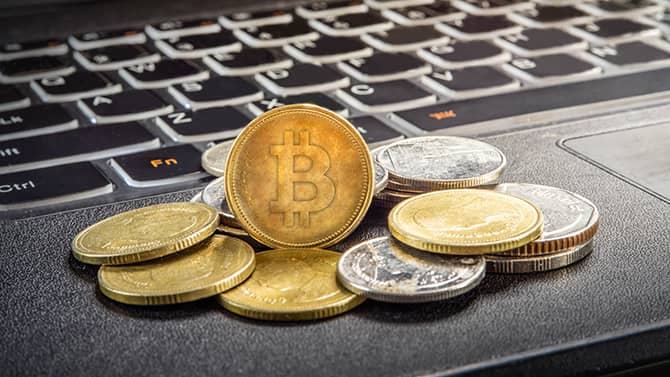
While Bitcoin was the first and remains the most well-known, there are thousands of different cryptocurrencies available today. Here are a few of the most popular ones:
- Bitcoin (BTC): The original cryptocurrency, often referred to as "digital gold."
- Ethereum (ETH): A platform for building decentralized applications (dApps) and smart contracts.
- Ripple (XRP): Designed for fast and low-cost international money transfers.
- Litecoin (LTC): An alternative cryptocurrency that aims to be faster and more efficient than Bitcoin.
Understanding Market Capitalization
Market capitalization, or "market cap," is a way to measure the size and value of a cryptocurrency. It's calculated by multiplying the current price of one unit of the cryptocurrency by the total number of coins or tokens in circulation. For example, if a cryptocurrency is priced at $100 and there are 1 million coins in circulation, the market cap would be $100 million.
Market cap can give you an idea of how stable a cryptocurrency is. Generally, cryptocurrencies with larger market caps are more stable because they have more liquidity and a broader base of holders. Smaller market cap cryptocurrencies can be more volatile, as smaller trading volumes can cause significant price swings.
Volatility: A Key Consideration
One of the biggest challenges with cryptocurrency is its volatility. Prices can fluctuate wildly in short periods, making it a risky investment.
Factors Influencing Volatility

Several factors can influence the price of cryptocurrencies, including:
- Market Sentiment: News, social media, and overall market sentiment can drive prices up or down.
- Regulatory Changes: Government regulations can have a significant impact on the cryptocurrency market.
- Technological Developments: New technologies and updates can affect the value of cryptocurrencies.
- Supply and Demand: Like any market, the price of cryptocurrency is determined by supply and demand.
Getting Started with Cryptocurrency
If you're interested in getting started with cryptocurrency, here are a few steps to take:
- Do Your Research: Learn as much as you can about cryptocurrency and the specific cryptocurrencies you're interested in.
- Choose a Wallet: Select a secure wallet to store your cryptocurrency.
- Find an Exchange: Use a reputable cryptocurrency exchange to buy and sell cryptocurrencies.
- Start Small: Begin with a small investment to get a feel for the market.
- Stay Informed: Keep up-to-date with the latest news and developments in the cryptocurrency world.
Choosing the Right Cryptocurrency Exchange
Cryptocurrency exchanges act as marketplaces where you can buy, sell, and trade cryptocurrencies. Selecting the right exchange is crucial for a smooth and secure experience. Here are some factors to consider:
- Security Measures: Look for exchanges with strong security features like two-factor authentication (2FA), cold storage of funds, and insurance coverage.
- Supported Cryptocurrencies: Ensure the exchange supports the cryptocurrencies you're interested in trading.
- Fees: Compare the trading fees, withdrawal fees, and deposit fees of different exchanges.
- User Interface: Choose an exchange with a user-friendly interface that is easy to navigate, especially if you're a beginner.
- Customer Support: Check for responsive and helpful customer support in case you encounter any issues.
- Reputation: Research the exchange's reputation by reading reviews and checking its history of security breaches or regulatory issues.
The Environmental Impact of Cryptocurrency
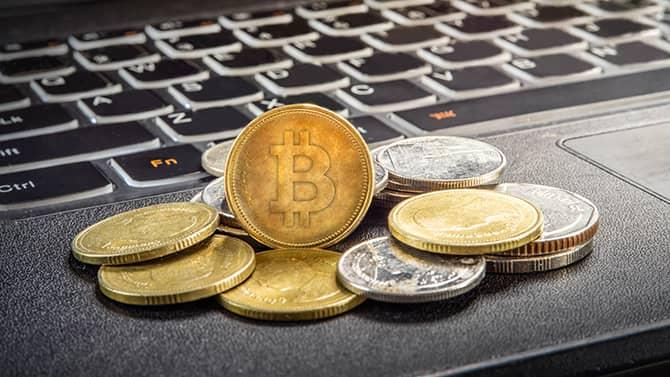
Cryptocurrency mining, especially for proof-of-work cryptocurrencies like Bitcoin, requires significant amounts of electricity. This has raised concerns about the environmental impact, as much of this electricity is generated from fossil fuels. However, the cryptocurrency industry is increasingly adopting more sustainable practices.
Sustainable Solutions
- Proof-of-Stake (PoS): Many newer cryptocurrencies use the proof-of-stake consensus mechanism, which is much more energy-efficient than proof-of-work.
- Renewable Energy: Some mining operations are now using renewable energy sources like solar, wind, and hydroelectric power.
- Carbon Offsets: Cryptocurrency companies are investing in carbon offset projects to mitigate their environmental impact.
The Future of Cryptocurrency
Cryptocurrency is still a relatively new technology, but it has the potential to transform the way we think about money and finance. As the technology matures and becomes more widely adopted, we can expect to see even more innovative applications emerge.
Potential Use Cases
- Decentralized Finance (DeFi): DeFi platforms offer a range of financial services, such as lending, borrowing, and trading, without the need for traditional intermediaries.
- Non-Fungible Tokens (NFTs): NFTs are unique digital assets that can represent anything from artwork to virtual real estate.
- Supply Chain Management: Blockchain technology can be used to track and verify goods as they move through the supply chain.
- Voting Systems: Decentralized voting systems can increase transparency and security in elections.
FAQs About Cryptocurrency
-
What is a blockchain?
A blockchain is a distributed, decentralized, public ledger that records all cryptocurrency transactions. It's made up of blocks of data linked together in a chain, secured by cryptography, making it tamper-proof. -
How do I buy cryptocurrency?
You can buy cryptocurrency on a cryptocurrency exchange using fiat currency (like USD or EUR) or other cryptocurrencies. You'll need to create an account, verify your identity, and deposit funds before you can start trading. -
Is cryptocurrency legal?
The legality of cryptocurrency varies by country. Many countries have legalized cryptocurrency, while others have imposed restrictions or bans. It's important to check the regulations in your jurisdiction before using cryptocurrency. -
What are the risks of investing in cryptocurrency?
The risks of investing in cryptocurrency include price volatility, regulatory uncertainty, security breaches, and the potential for fraud. It's important to do your research and invest only what you can afford to lose. -
How is cryptocurrency different from traditional currency?
Cryptocurrency is decentralized, digital, and secured by cryptography, while traditional currency is centralized, physical (or digital representation of physical), and controlled by governments and financial institutions. Cryptocurrency offers more transparency and lower transaction fees but is also more volatile.
So, there you have it—a comprehensive overview of what cryptocurrency is and how it works. It's a fascinating and rapidly evolving field with the potential to disrupt traditional finance. While it's not without its risks, understanding the basics can help you make informed decisions about whether to participate in this exciting new world. Ready to dive in? Start exploring and see where the crypto journey takes you!


Leave a Reply