

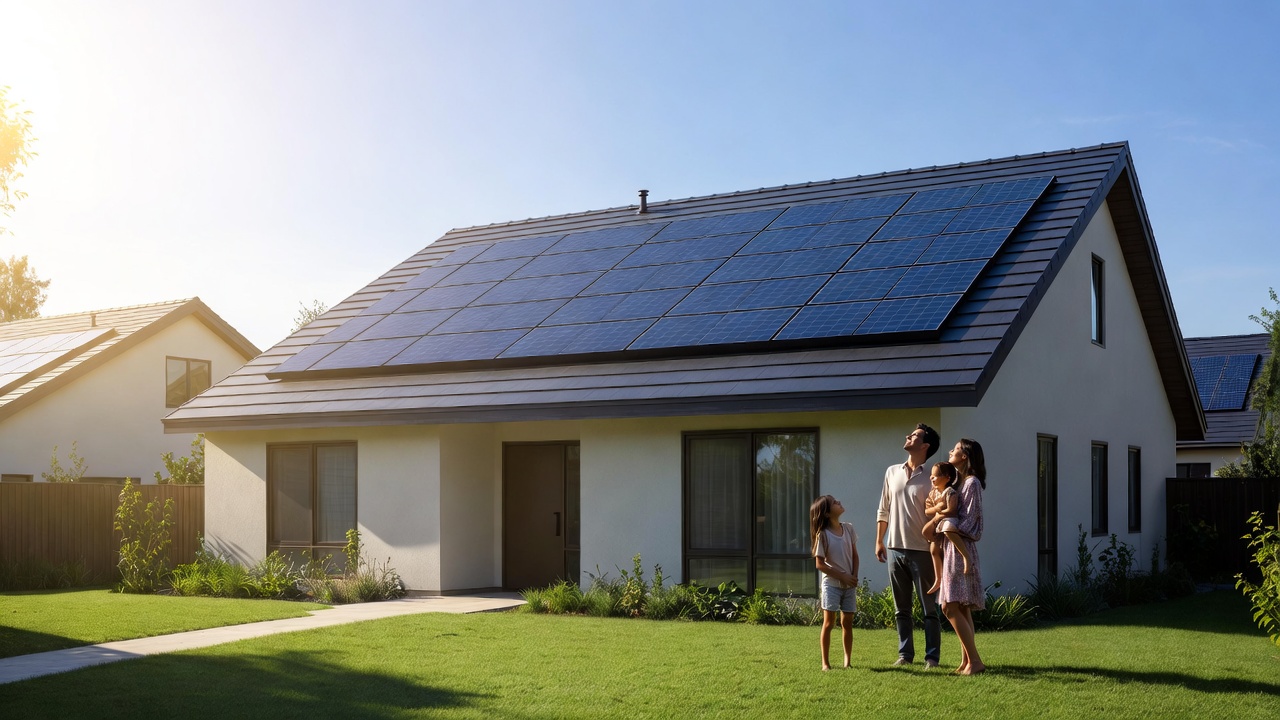
Electricity has become an essential part of everyday life. From powering kitchen appliances to charging devices and running home offices, modern households depend heavily on reliable energy. However, with electricity prices continuing to rise, many homeowners are searching for smarter ways to manage their energy consumption.
This shift has led to a growing interest in residential solar systems. By installing solar panels on rooftops, homeowners can generate their own electricity and reduce their dependence on traditional power providers. The result is a more sustainable, cost-efficient, and future-ready home energy solution.
Across Australia, solar energy is quickly becoming one of the most popular home upgrades. With abundant sunshine and strong renewable energy initiatives, Australian households are well positioned to benefit from solar technology.
Understanding How Residential Solar Works
At its core, residential solar systems convert sunlight into electricity. Solar panels capture sunlight and transform it into usable electrical energy that powers a home’s appliances, lighting, and electronic devices.
A typical solar system for homes includes:
- Solar panels installed on the roof
- An inverter that converts solar energy into usable electricity
- Mounting systems and electrical connections
- Optional battery storage for storing excess energy
When sunlight hits the solar panels, energy is produced and sent through the inverter to power the home. If the system produces more electricity than the household needs, the excess energy can either be stored in a battery or exported back to the electricity grid.
Homeowners who want a deeper explanation of solar technology can explore Solar power on Wikipedia, which provides a detailed overview of how solar energy systems operate worldwide.
Why Residential Solar Is Growing in Popularity
Several key factors are driving the rapid adoption of residential solar systems in Australia.
Rising Energy Costs
Electricity bills have become a major concern for many households. As prices increase, homeowners are looking for ways to reduce monthly expenses without sacrificing comfort.
Solar energy allows homeowners to generate electricity directly from sunlight, helping reduce reliance on traditional electricity providers.
Environmental Responsibility
Many families want to contribute to a cleaner and more sustainable future. Solar power produces electricity without releasing greenhouse gases, making it an environmentally friendly alternative to fossil fuels.
Programs and research initiatives supported by the Australian Renewable Energy Agency continue to promote renewable energy adoption and encourage households to invest in sustainable technologies.
Technological Advancements
Modern solar panels are far more efficient than earlier models. They can generate more electricity while occupying less roof space, making them suitable for a wider range of homes.
These advancements have made residential solar systems more reliable and cost-effective than ever before.
Financial Benefits of Installing Residential Solar
For many homeowners, the financial advantages of residential solar are the biggest motivation.
Lower Electricity Bills
Solar systems reduce the amount of electricity a household needs to purchase from the grid. Over time, this can lead to significant savings on energy bills.
Long-Term Investment Value
Solar panels typically last between 25 and 30 years. This means homeowners can enjoy decades of electricity savings after installation.
Protection from Future Energy Price Increases
Electricity costs can fluctuate depending on market conditions. Generating your own power through residential solar helps protect households from rising energy prices.
Increased Property Value
Homes equipped with solar systems often attract more buyers in the real estate market. Energy-efficient homes are becoming increasingly desirable for modern buyers.
Battery Storage and Residential Solar
Solar battery storage is becoming an increasingly popular addition to home solar systems.
A battery stores excess electricity produced during the day so it can be used later when the sun is not shining. This allows homeowners to use more of the energy they generate.
Benefits of combining batteries with residential solar include:
- Greater energy independence
- Reduced reliance on the electricity grid
- Backup power during outages
- Better overall energy efficiency
Battery systems are particularly useful for households that want maximum control over their energy supply.
Custom Solar Solutions for Every Home
Every home has different energy needs. Factors such as roof size, orientation, household electricity usage, and future energy demands all play an important role in designing the ideal solar system.
Professional solar providers assess these factors carefully before recommending a system.
Energy Solution Centre, located in Nerang on the Gold Coast, specialises in tailored renewable energy systems for Australian households. Homeowners interested in installing solar systems can learn more through residential solar solutions in Australia.
By creating customised systems rather than offering one-size-fits-all packages, solar providers can ensure optimal performance and long-term energy savings.
The Role of Solar in Sustainable Living
Solar energy is more than just a way to save money—it is also an important part of sustainable living.
Every home that adopts residential solar contributes to reducing the demand for fossil fuels and lowering carbon emissions. As more households install solar systems, the collective impact on environmental sustainability becomes significant.
Solar energy also supports Australia’s broader transition toward renewable power and helps build a more resilient national energy infrastructure.
EV Charging and Solar-Powered Homes
The growing popularity of electric vehicles is creating new opportunities for solar-powered homes.
Many homeowners are installing EV charging stations that run on solar energy. This allows families to power their vehicles using the same renewable electricity that powers their homes.
When combined with residential solar, EV charging creates a fully integrated clean energy ecosystem that supports both household energy use and sustainable transportation.
Choosing the Right Solar Installer
Selecting a reliable solar installer is an important step when investing in residential solar.
Homeowners should look for providers that offer:
- Industry certifications and accreditations
- High-quality solar panels and components
- Customised system design
- Professional installation services
- Ongoing maintenance and support
Working with experienced solar professionals ensures the installation process runs smoothly and the system performs efficiently for many years.
The Future of Residential Solar
Solar energy adoption continues to grow around the world, and Australia remains one of the leaders in rooftop solar installations.
As technology improves and energy costs continue to rise, residential solar will likely become an essential feature of modern homes.
Homeowners who invest in solar today benefit from lower energy costs, greater energy independence, and a more sustainable lifestyle.
FAQ About Residential Solar
What is residential solar?
Residential solar refers to solar panel systems installed on homes that generate electricity from sunlight to power household appliances and devices.
Is residential solar worth it in Australia?
Yes. Due to strong sunlight and rising electricity prices, many Australian homeowners experience significant financial savings with solar systems.
How long do residential solar systems last?
Most solar panels have a lifespan of 25 to 30 years, making them a long-term investment for homeowners.
Can residential solar power an entire home?
Depending on system size and household energy usage, residential solar can supply most or all of a home’s electricity needs.
Do solar panels work on cloudy days?
Yes. Solar panels still produce electricity during cloudy conditions, although at a lower output compared to bright sunny days.
Conclusion
The rapid growth of residential solar across Australia shows that homeowners are increasingly looking for smarter and more sustainable ways to power their homes. By generating clean electricity from sunlight, solar systems help households reduce energy costs, improve energy independence, and contribute to environmental sustainability.With the right solar provider and a properly designed system, residential solar can deliver reliable energy and long-term savings for decades to come.


Leave a Reply